Private sales rugby balls
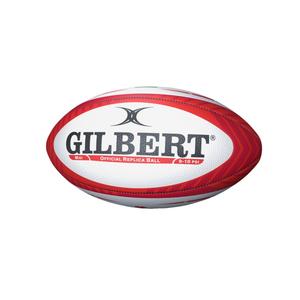
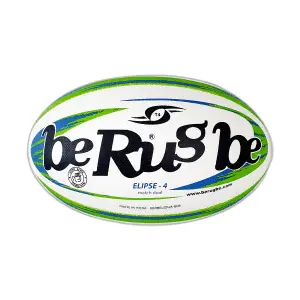
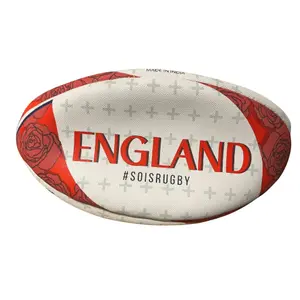
Our rugby balls on private sale cover training, matches, and collections: Gilbert G-TR4000 for training sessions, weighted balls and a passing learning ball Morgan, Touch ball for touch rugby, Sporti Soft'rugby foam for beginners, and balls in national colours. Models in sizes three, four, and five, for everyone of all ages.
The oval ball at a discounted price.
Training Balls: Gilbert G-TR4000, weighted balls and passing ball
For training sessions, the Gilbert G-TR4000 is a benchmark in clubs: robust cover and marked grip for a secure hold, it withstands passes, kicks, and muddy pitches week after week. It comes in size four for youngsters and size five for adults. The weighted balls Morgan, heavier than a match ball, strengthen wrists and forearms and add power to passes. The Morgan Pass Developer, designed for learning, helps young players work on an accurate and spinning pass.
Other categories
Private sales also include:
All rugby private sales are gathered on the rugby private sales page.
Touch ball, foam ball and nation balls: a ball for every use
The Touch ball from Gilbert, in size four, is designed for touch rugby, a no-tackle practice where the ball is passed quickly from hand to hand. The Sporti Soft'rugby, made of foam, is meant for introducing the youngest, in school or gym, without risk of injury or breakage. The Gilbert Heritage, in size five, sports a retro style reminiscent of old balls. Finally, the nation balls, from France, England, South Africa, Canada or Tonga, are kept as souvenirs or used for impromptu Sunday matches.
What size rugby ball for each age
The size three is suitable for children up to around nine years old, in rugby schools as well as in the garden. The size four takes over from ten to thirteen years, then the size five, for adults, is required from under fourteen years: World Rugby regulations set its length at 28 to 30 centimetres and a weight of 410 to 460 grams. A ball that’s too big for small hands complicates passing and discourages beginners. The pack of ten balls from Wales outfits a whole group in one go, a great deal to grab during the sale.
Other good deals
Good deals can also be found in the good deals, sales, clearance, Black Friday. The new arrivals show the latest collections. The highlights of the year follow a stable order: the Black Friday at the end of autumn, the end-of-year holidays, the winter sales, the French Days in spring, followed by summer sales and back-to-school.
Frequently Asked Questions
How to inflate a rugby ball?
Moisten the needle before inserting it into the valve, then inflate to a pressure of around 0.66 to 0.69 bar, the World Rugby standard for a match ball. A pressure gauge prevents over-inflation, which makes the ball hard and inaccurate.
Why is the rugby ball oval?
The first balls were made from an inflated pig’s bladder slipped into a four-panel leather cover. The shape of the bladder gave the ball its elongated profile, which was later standardized to oval.
Why are rugby balls associated with Gilbert?
William Gilbert, a shoemaker based near Rugby School, has been making balls for the school since 1823. His company has become the benchmark manufacturer and supplies the official ball for the Rugby World Cup.
How to care for a rugby ball?
After a session in the rain, remove the mud with clear water and let the ball dry at room temperature, away from a radiator. Store it slightly deflated to preserve the cover and seams.
How to perform a spinning pass in rugby?
Hold the ball with both hands, fingers spread on the sides, then throw it by sweeping your arms towards the target. The back hand imparts the spin with a wrist movement, which stabilizes the trajectory.