Kids' shoe sale
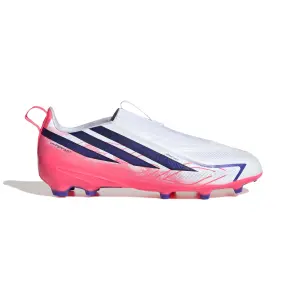
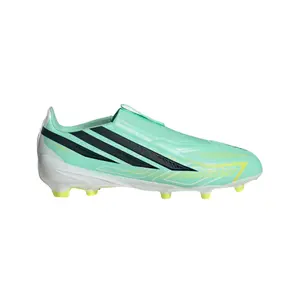
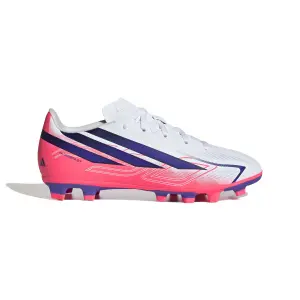
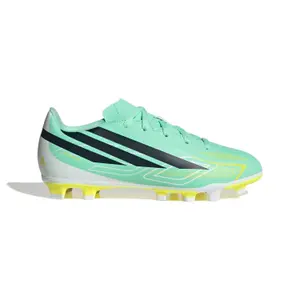
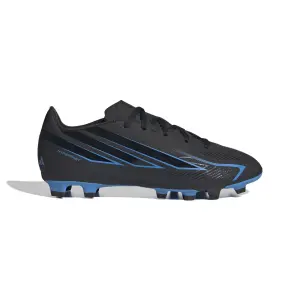
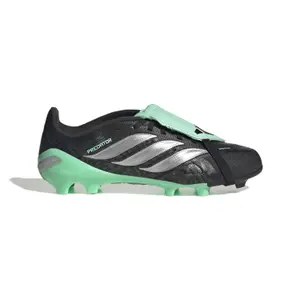
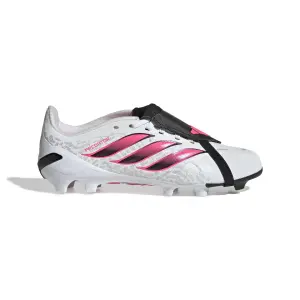

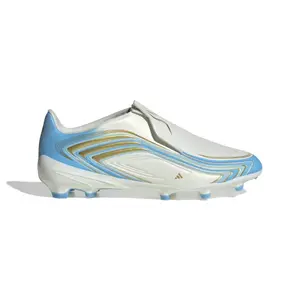
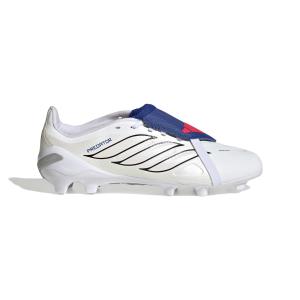
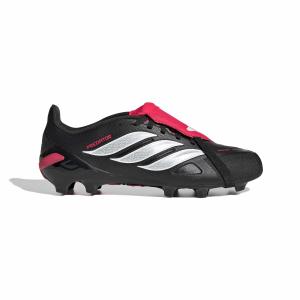
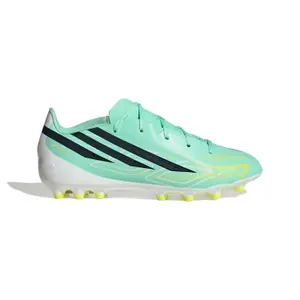

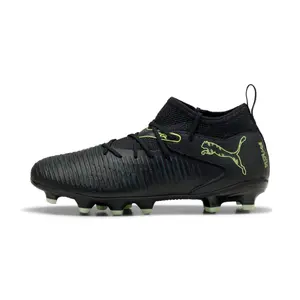
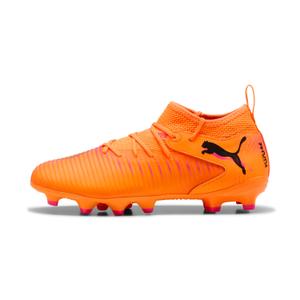
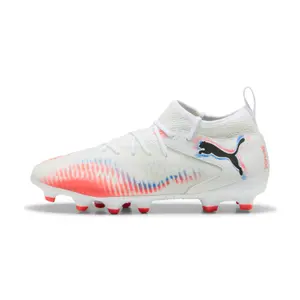
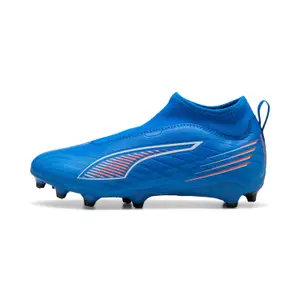
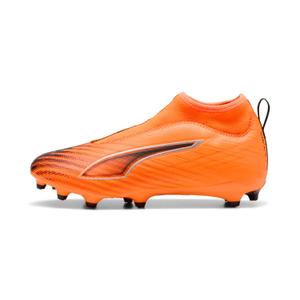
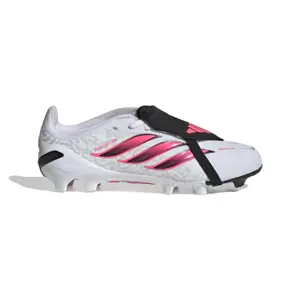
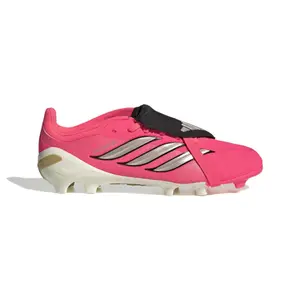
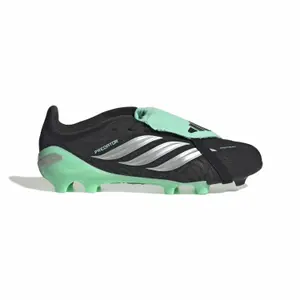
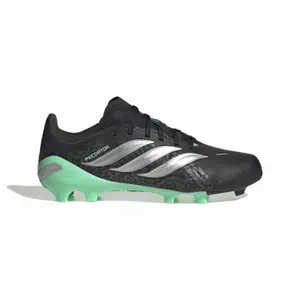

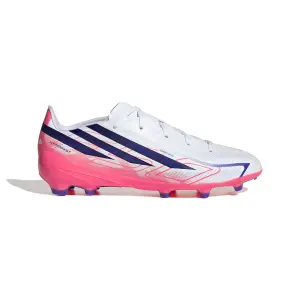
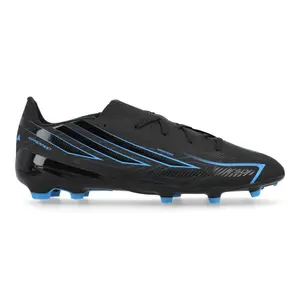
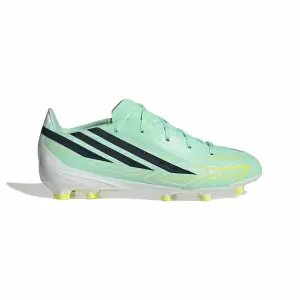

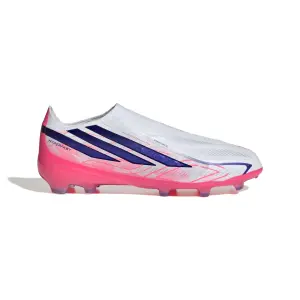

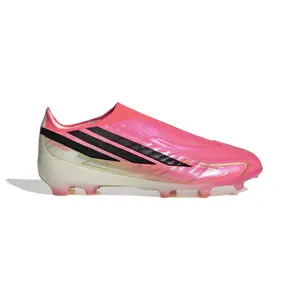





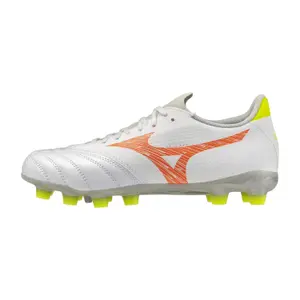
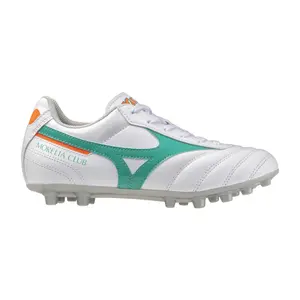
Our selection of children's shoes features discounted studded shoes for young rugby players when available. We explain which sole to choose based on age category and terrain, how to measure a child's foot correctly, and when to replace the pair as they grow.
The first discounted studs.
Moulded studs: the sole of rugby school
For younger players, the moulded sole is the norm: its rubber or plastic studs are part of the sole, never come off and distribute pressure over a larger surface area. It is suitable for dry pitches as well as slightly damp grass, which make up the majority of rugby school sessions. Screw-in studs are generally only allowed from the under-14 category; before that, the referee may deny entry to a child wearing them. A molded shoe also eliminates the need to check the tightness of the studs before each match.
Other child products
The sales also include:
All child sales are gathered on the child sales page.
Measuring a child's foot before ordering
To measure the child's foot, do it at the end of the day when it's longest, standing on a sheet of paper with their heel against the wall: mark the tip of the longest toe and measure the distance to the heel. Add about one centimetre for allowance, half for comfort and the other half for growth, then compare to the brand's size chart. Measure both feet, often slightly different, and keep the longest one. Rugby socks, which are thicker than regular socks, also count: it's better to take the measurement with them on.
When to renew a young player's shoes
A child's foot grows quickly, often by a size each year, sometimes more during growth spurts. Therefore, check the shoe size at the start of each term and mid-year: if the big toe touches the front when the child is standing, it’s time for a change. A shoe that's too small compresses the toes and causes bruised nails and blisters; a shoe that's too big makes the heel slip and weakens the ankle. Getting a second-hand pair from an older sibling is possible if the sole is not warped, the upper is intact and the studs are not worn out.
Other good deals
Good deals can also be found in good plans, clearing sales, Black Friday. The new arrivals showcase the latest collections. The highlights of the year follow a stable order: Black Friday at the end of autumn, the holiday season, the winter sales, the French Days in spring, then the summer sales and back to school.
Frequently asked questions
Should you take a size up for a child?
A half size allowance is enough. Beyond that, the foot floats, the heel lifts with each step and the child risks blisters and sprains; good support matters more than a pair that’s supposed to last longer.
Rugby shoes or versatile stud shoes for beginners?
A rugby shoe offers a sturdier upper for the toes and a sole designed for game traction. For a first year of trying out, a versatile moulded stud pair is sufficient, as long as it fits the foot well.
How to clean muddy studs?
Let the mud dry, then knock it off by tapping the soles against each other, before giving it a brush. The shoes are then rinsed with lukewarm water, without soaking them, and left to dry stuffed with newspaper away from the radiator.
Can a child play on synthetic surfaces with rugby shoes?
With moulded studs, it's generally possible, although a sole specifically designed for synthetic surfaces limits wear and foot immobilisation. Metal screw-in studs, however, are prohibited on this type of surface.
What shoe for a child with wide feet?
Look for a flexible upper and a generous forefoot, and try it on with match socks. The foot shouldn't spill over the side of the sole or be compressed, or else there'll be pain from the very first session.