Rugby shoe sales
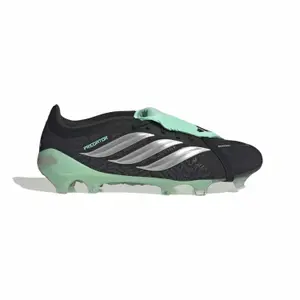
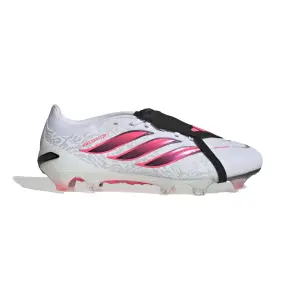
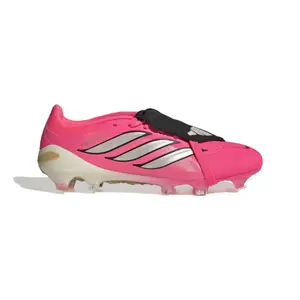
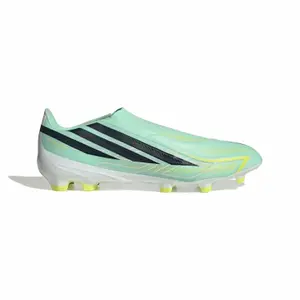
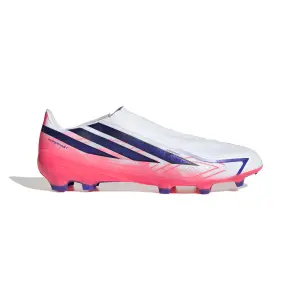
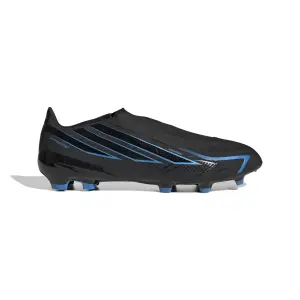
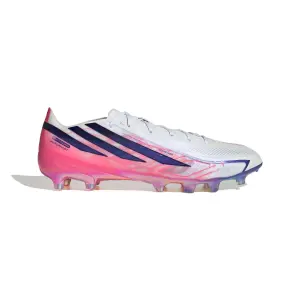
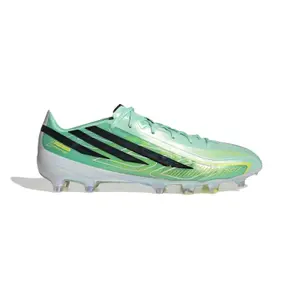
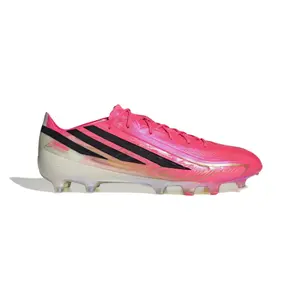
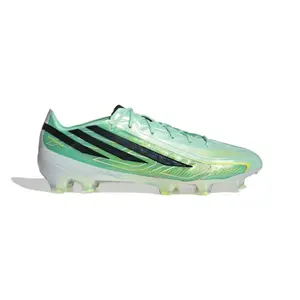
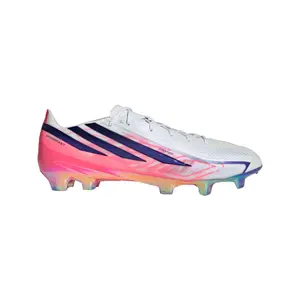
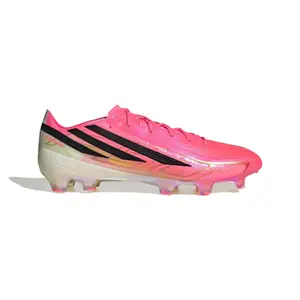
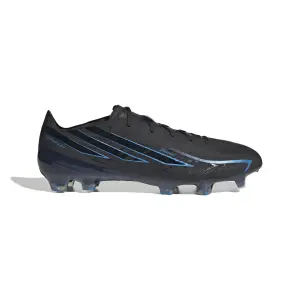
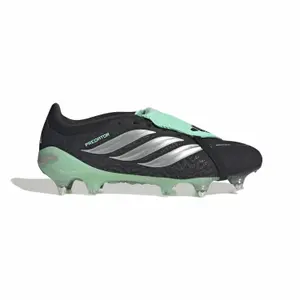
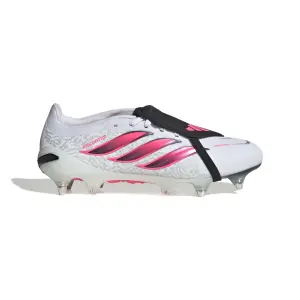
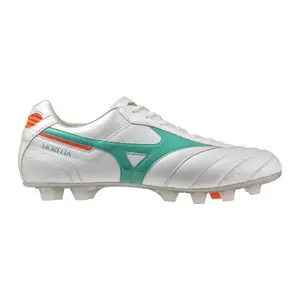
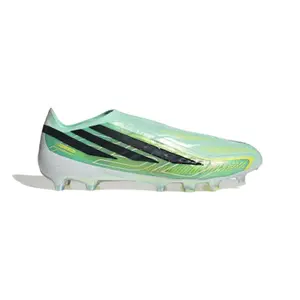
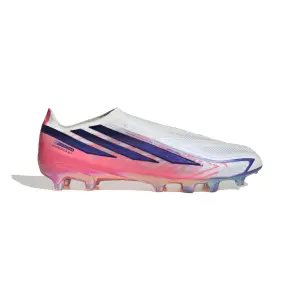
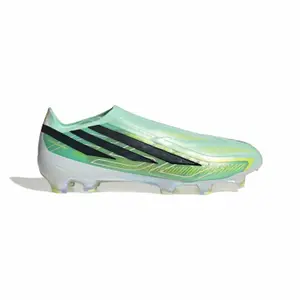

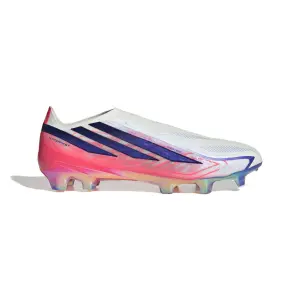
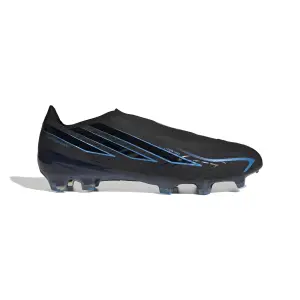
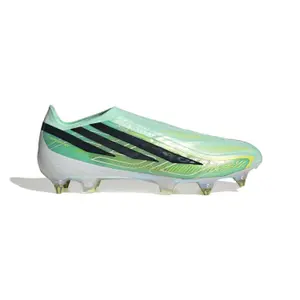
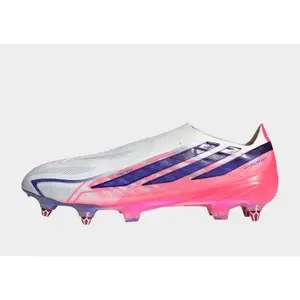
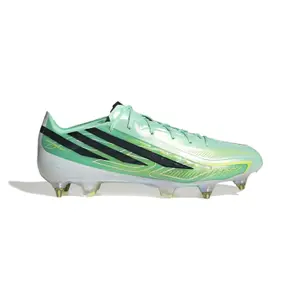
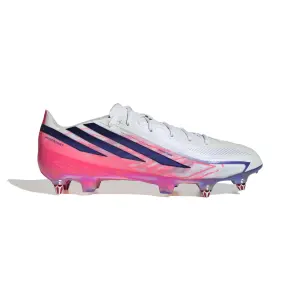
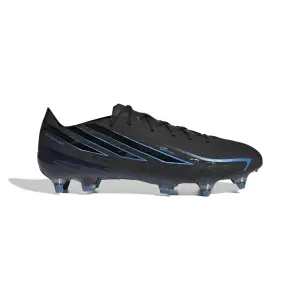
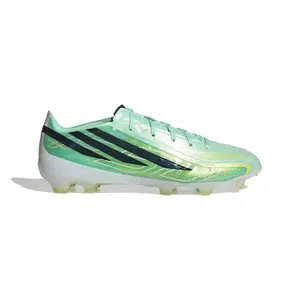
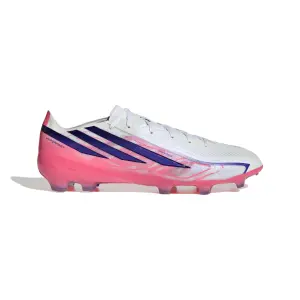
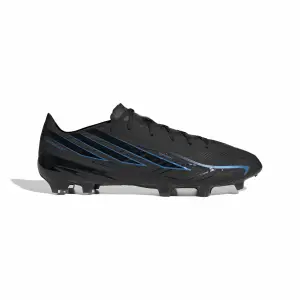
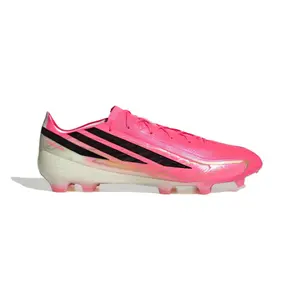
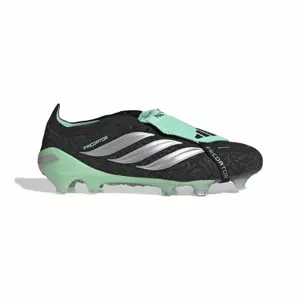
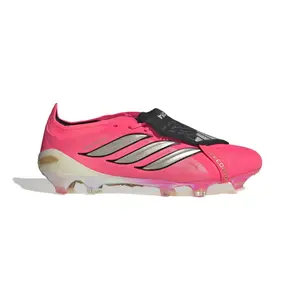
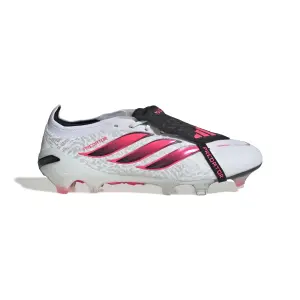
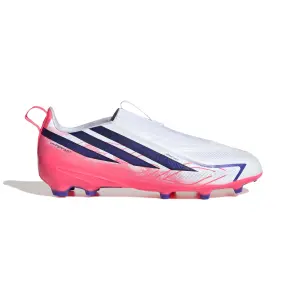
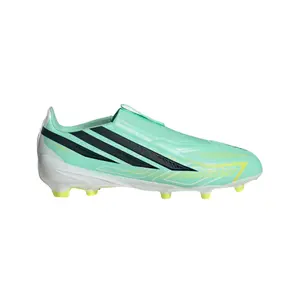
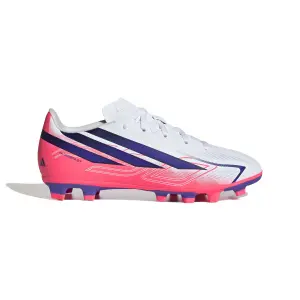
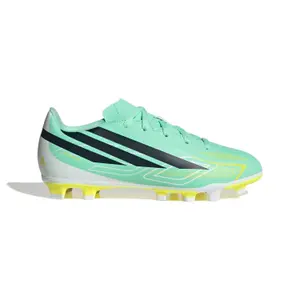
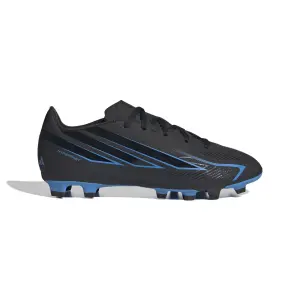


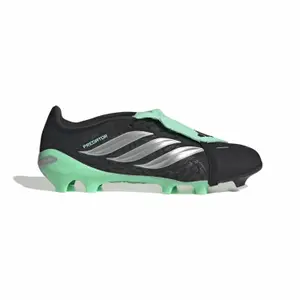
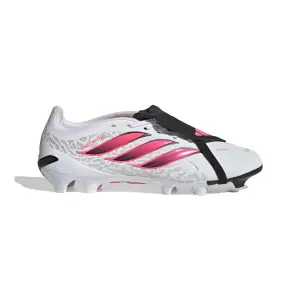
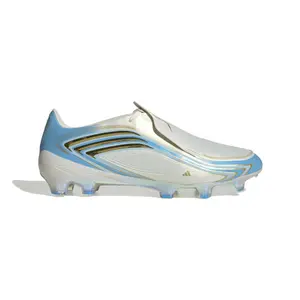
Our selection of rugby shoes at reduced prices covers all positions: adidas Kakari and Gilbert Power with eight studs for the forwards, adidas RS-15 and Adizero RS15 Pro for the backs, Mizuno Waitangi in a very wide fit, Gilbert Torq in the women's version. All have removable studs, along with our tips on choosing based on position, the pitch, and shoe size.
The discounted studs.
Front or back shoe: what's the difference
A front shoe must first stabilize the support in scrums and during pushes: stiff sole, eight studs distributed under the foot, upper that firmly holds the heel. This is the profile of the adidas Kakari, whose RS version features a one-piece sole, and the Gilbert Power, built on eight studs. A back shoe prioritises lightness and responsiveness in weight shifts: the adidas RS-15 and its Elite variation, or the Adizero RS15 Pro, lighten the upper and sole for sprints and hooks. The back row players, who are in between, choose based on whether they tackle more than they run.
The brands
Discounted shoes are available by brand:
All the sales are gathered on the sales page.
Mizuno Waitangi: a wide fit for props
The Mizuno Waitangi is named after the treaty signed in 1840 in New Zealand, a nod from the Osaka brand to the land of the All Blacks. The version II CL combines a synthetic leather upper with a nylon sole plate and screwed metal studs, on a very wide fit that accommodates the strong feet of props and second rows. Diagonal flex grooves soften the front of the foot during pushes. The Pro and Club variations maintain the same spirit with different levels of finish, while the Morelia Neo, slimmer and lighter, is aimed at the speedy players in the back lines.
Gilbert Torq, a shoe designed for female players
The female foot is on average narrower at the heel and slimmer at the midfoot: a women's rugby shoe takes this into account in its design. The Gilbert Torq is thus available in a women's version, alongside the unisex version, with a tighter fit that prevents the heel from slipping during direction changes. The brand, founded in 1823 in Rugby in a cobbler's workshop that also stitched balls for the nearby school, keeps this old connection with the shoe. For a player with a wide foot, the unisex version, which is roomier at the front, remains an option to try before making a decision.
Other good deals
Great deals can also be found in good deals, clearance, and Black Friday. The new arrivals showcase the latest collections. The highlights of the year follow a stable order: Black Friday at the end of autumn, the year-end holidays, winter sales, French Days in spring, followed by summer sales and the back-to-school period.
Frequently asked questions
What length of studs for a soft ground?
On heavy ground, long studs of up to ten-eight or even twenty-one millimeters are used, the limit set by World Rugby. On dry grass, shorter studs are sufficient and reduce pressure under the foot.
How to make screw-in studs last?
Each match, tighten the studs with the provided key, remove mud after the practice, and let the pair air dry, stuffed with newspaper. A worn stud should be replaced immediately to maintain balanced support.
Do you need a size up for rugby shoes?
No, a rugby shoe should hold the foot snugly. Keep about half a centimeter in front of the big toe, measured at the end of the day with the match sock on, and make sure the heel doesn't rise when walking.
Can you play on synthetic with screw-in studs?
This is not recommended and often prohibited by ground managers: metal studs damage artificial grass and catch too much. On synthetic surfaces, use a shoe with moulded studs or a sole designed for these surfaces.
What do the letters SG, FG, and AG mean?
SG means soft ground: the sole has screw-in studs suitable for the wet grass in winter. FG refers to a sole with moulded studs for dry ground, and AG to a sole designed for artificial surfaces.