Nutritional supplements for rugby players


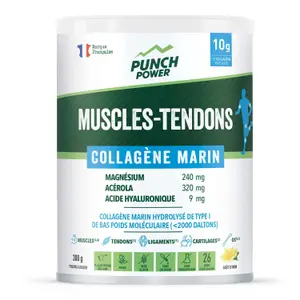


Our dietary supplements page showcases supplements for athletes, when available: creatine, magnesium, vitamin D, omega-3, collagen. It is aimed at rugby players who want to know which ones have proven effective, when to consider them, and how to avoid any risk of a positive doping test.
Meet the needs of a demanding sport.
Creatine: the most studied supplement
Creatine was isolated in 1832 by the French chemist Michel Eugène Chevreul, who named it after the Greek word kreas, meaning meat. Naturally found in meat and fish, it is stored in the muscles as phosphocreatine, an immediate energy reserve for short bursts of activity. Supplementation, usually three to five grams per day of creatine monohydrate, increases these reserves and improves the ability to repeat short, intense efforts: sprints, tackles, pushes. It often comes with a slight weight gain due to water stored in the muscles, and adequate hydration is essential.
Other families
Sports nutrition also includes:
All nutrition is gathered on the nutrition page.
Magnesium, vitamin D and omega-3: filling the gaps
Some micronutrients are often lacking in athletes. Magnesium, partially lost in sweat, plays a role in muscle contraction and energy production; it's found in nuts, dark chocolate, green vegetables, and some mineral waters. Vitamin D, produced by the skin from sunlight, is frequently deficient in winter, during the peak of the match season: a blood test prescribed by a doctor indicates whether supplementation is needed. The omega-3 EPA and DHA, provided by fatty fish like sardines or mackerel, are studied for their role in inflammation and recovery.
Standard NF V94-001 and anti-doping controls
Any licensed player can be tested, and a contaminated supplement is enough to trigger a positive result: the athlete remains responsible for what they consume. The AFNOR NF V94-001 standard, published in 2012, requires manufacturers to guarantee the absence of banned substances through a quality assurance protocol; it inspired the European standard NF EN 17444. Therefore, products that display this mention are preferred, purchases from less transparent foreign sites are approached with caution, and the list of banned substances published every year by the World Anti-Doping Agency, reproduced in France by the French Anti-Doping Agency, should be consulted.
Good deals
Good deals are found in good plans, promotions, clearance, sales, and Black Friday. The new arrivals showcase the latest collections, and items shipped within 24 hours are prepared and dispatched in 24 hours. The highlights of the year follow a stable order: Black Friday at the end of autumn, the festive season, winter sales, the spring French Days, followed by summer sales and the back-to-school period.
Frequently asked questions
What supplements for a rugby player?
The best documented are creatine for repeated efforts, caffeine before exercise, vitamin D in case of deficiency, and protein powder to complement intake. They never compensate for an unbalanced diet or lack of sleep.
Can you take multiple supplements at the same time?
Often yes, but some combinations can interfere: iron and calcium, for example, compete for absorption and should be taken separately. The doses of vitamins and minerals add up from one product to another: it's best to check with a doctor or pharmacist.
Is creatine dangerous for the kidneys?
In a healthy person, at usual doses of three to five grams per day, studies have not shown any harmful effects on the kidneys. In case of kidney disease or treatment, it's advisable to consult a doctor before taking it.
Do supplements help with weight loss?
No supplement replaces a well-managed caloric deficit. Products marketed as fat burners have a weak effect, and some contain stimulants banned in competition, which should be avoided by a tested athlete.
Should you take collagen for joints?
The results of studies remain modest and variable. Associated with vitamin C and taken before a tendon strengthening session, it may help their adaptation, but it does not replace rehabilitation or a well-measured training load.