Recovery after the match and training
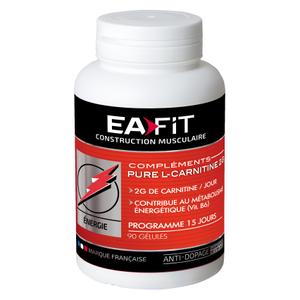

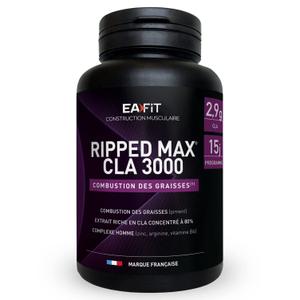
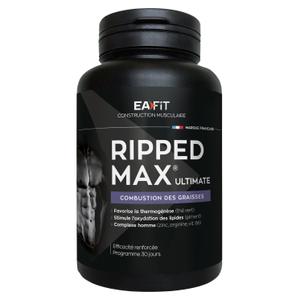
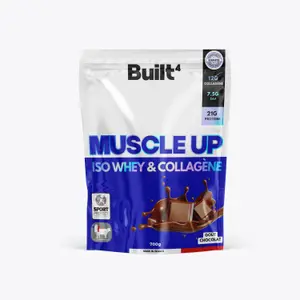

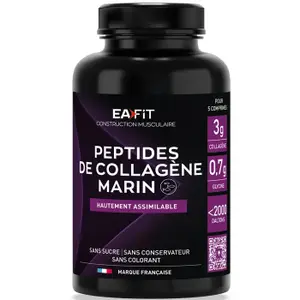
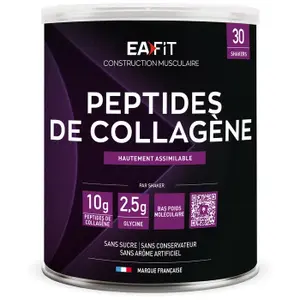
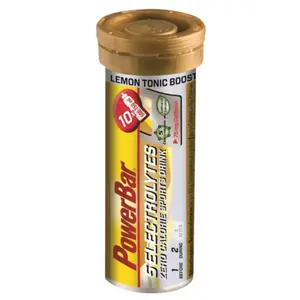
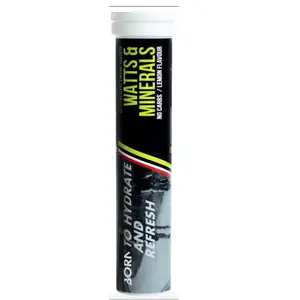
Our Recovery page brings together products that help the body recover from an intense match or training session: recovery drinks, collagen, and vitamin concentrates. It is aimed at players who have back-to-back training sessions and matches, with our guidelines to rehydrate, recharge energy reserves, and repair muscles in the hours following exertion.
Recover quickly to play better.
Rehydrate, recharge, repair: the essentials after exercise
Nutritional recovery follows three priorities. Rehydrate first: compensate for about one and a half times the weight lost during the match, or one and a half litres of drink per kilo lost, with a bit of sodium to help retain fluids. Recharge then glycogen stores, with about 1 to 1.2 grams of carbohydrates per kilo of body weight per hour during the first four hours when another effort is coming up. Finally, repair the damaged fibres from impacts, with fifteen to twenty-five grams of quality protein, which also supports recharging when carbohydrates are lacking.
Other categories
Sports nutrition also includes:
All nutrition is gathered on the nutrition page.
What's in a recovery drink
The recovery drink combines quickly absorbable carbohydrates, proteins, often whey, and electrolytes like sodium and potassium in one preparation. Its liquid form is its main advantage: after a match, appetite often disappears, while a drink goes down easily and starts to cover all three needs at once. It should be taken within half an hour after the final whistle, in the changing room or on the bus, then followed by a proper meal within two hours: carbohydrates, meat or fish, vegetables. Chocolate milk, which is similar in profile, remains a simple alternative.
Collagen and vitamins: targeted supplements
Collagen is of interest to players for tendons and ligaments. In a study published in 2017 in the American Journal of Clinical Nutrition, fifteen grams of gelatine enriched with vitamin C taken one hour before exercise doubled a blood marker for collagen synthesis. Vitamin concentrates are especially justified in cases of a varied diet or deficiencies identified by a doctor; a plate rich in fruits and vegetables remains the primary source. Before adding a supplement to their routine, a licensed player checks for the NF V94-001 standard, which guarantees a composition free of banned substances.
Good deals
Good bargains can be found in the bargains, promotions, clearance, sales, and Black Friday. The new arrivals showcase the latest collections, and items shipped within 24 hours are prepared and sent in 24 hours. The key times of the year follow a stable order: Black Friday in late autumn, the year-end holidays, the winter sales, the French Days in spring, then the summer sales and back to school.
Frequently asked questions
Does alcohol during the third half slow recovery?
Yes. A study published in 2014 showed that alcohol consumed after exercise reduces muscle protein synthesis, even when taken with protein. It also promotes dehydration: it’s better to drink water and eat first.
How can you tell if you’re well-hydrated?
The colour of urine is a good indicator: pale means hydration is fine; dark means more drinking is needed. A persistent feeling of thirst or headaches on the night of the match also indicate a need to make up for deficits.
How long does it take to replenish glycogen?
With sufficient carbohydrate intake, muscle stores are replenished in about twenty-four hours. After a very intense match, when the fibres have been damaged by impacts, reloading may take a little longer.
Should you eat before sleeping after an evening match?
Yes, if dinner was light or had been taken early. A snack rich in slowly digesting proteins, such as cottage cheese or a glass of milk, supports muscle repair overnight without interfering with sleep.
Does magnesium help with recovery?
Magnesium plays a role in muscle contraction and energy production, and part is lost in sweat. A supplement is only of interest if intake is insufficient; legumes, nuts, whole grains, and dark chocolate are good sources.