Mizuno Waitangi, the rugby boot
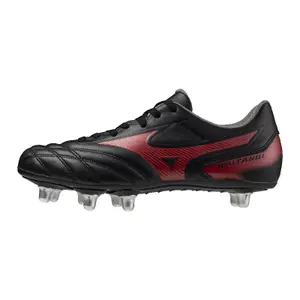
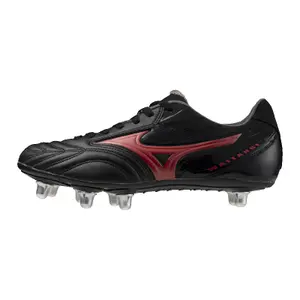
Our Mizuno Waitangi page brings together the rugby boots from the Japanese manufacturer, designed for fifteen-a-side play with its screw-in studs. Offered in a CL version, with a leather upper, and a PS version, it is suitable for both forwards and backs looking for support and comfort from the very first sessions. Our advice helps you choose your size and care for your pair.
A name from New Zealand.
Waitangi, a name from New Zealand
Waitangi is the place on the North Island of New Zealand where the treaty between the British Crown and Māori chiefs was signed on 6 February 1840, regarded as the founding act of the country. 6 February has become a national holiday. By naming its rugby shoe Mizuno, it pays tribute to the nation of All Blacks, where this sport holds a special place. The Japanese manufacturer, founded in Osaka in 1906, draws on its expertise in studded footwear to offer the Waitangi, a model dedicated to rugby, not a shoe adapted from another sport.
The other Mizuno ranges
The Mizuno shoes are also available in:
All Mizuno shoes can be found on the Mizuno page.
A screw sole for forwards and backs
The Waitangi features a screw-in studded sole, the standard configuration for wet grass pitches in winter. The studs dig into the soft ground and provide the necessary grip for pushing in the scrum, getting up in a ruck, or changing support. Its upper is robust enough to withstand contact while remaining flexible enough for running and kicking: it suits props and back row players as well as backs. The CL version focuses on the comfort of leather that quickly adapts to the foot, while the PS version emphasises versatility. The length of the studs can be adapted to the pitch, without exceeding twenty-one millimetres allowed.
How to properly fit and care for your Waitangi
The Waitangi should be chosen in your usual size: measure your foot at the end of the day, when it has slightly swollen, with match socks on, and leave about half a centimetre in front of the big toe. A forward, who seeks a well-secured foot in the scrum, can tighten the lacing more than a back. After each match, brush the sole and upper to remove dirt, then dry the pair in the open air, stuffed with newspaper, away from a heater that would harden the leather. A bit of leather grease maintains the flexibility of the CL version. Before each match, check the tightening of the studs with a stud key.
Good deals
Good deals can be found in the good deals, promotions, clearance, sales, Black Friday. The new arrivals showcase the latest models. The key sale periods of the year follow a stable order: the Black Friday in late autumn, the holiday season, the winter sales, the French Days in spring, followed by the summer sales and back-to-school season.
Frequently asked questions
Does the Waitangi suit a prop?
Yes, its screw sole and robust upper provide the stability needed in scrums and rucks. Props also appreciate its leather that quickly adapts to the foot, avoiding a long break-in period before matches.
Does the Waitangi run large or small?
It fits rather normally, with a comfortable volume at the front of the foot. Most players stick to their usual size; if in doubt between two sizes, going half a size up allows for room for a thick sock.
How to replace the studs on the Waitangi?
Unscrew the worn studs with a stud key, clean the thread with a brush to remove dirt, then screw in the new ones by hand before tightening them with the key. A dull stud or one with a sharp edge should be replaced without delay.
Can you play in Waitangi on a synthetic pitch?
This is not recommended: the screw studs grip too much on artificial grass, damage the surface, and put stress on the knees. Many clubs prohibit them on their synthetic pitches; a second pair with AG soles would then be suitable for training.
Is the Waitangi suitable for a beginner player?
Yes, its leather that quickly adapts to the foot and its versatile screw sole make it a good first rugby shoe for an adult. It covers all positions, which prevents having to buy another pair if the player changes positions later on.