
Natural Ground - FG Rugby Shoes





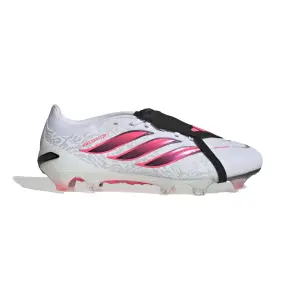









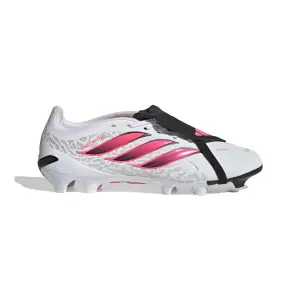



















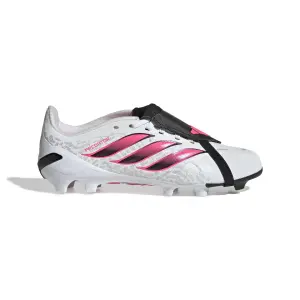


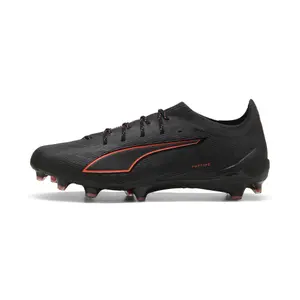







Our natural ground, FG page features rugby boots with molded studs, designed for dry or slightly damp natural grass. Lightweight, with no maintenance for studs and gentle on the joints, they are suitable for backs, young players, and training at the start and end of the season. Our tips help you choose your sole according to your position and shoe size.
The comfort of dry grass.
Studs: the comfort of dry grass
The FG outsole, for Firm Ground, features moulded studs attached to the sole, shorter and more numerous than a screwed sole, often a dozen or more, conical or blade-shaped. On a firm surface, they penetrate just enough to grip and distribute pressure across the entire footbed, which prevents painful spots that long studs can cause on hard ground. Lighter, without parts to screw back in or replace, this sole is particularly suited for fullbacks, children, and players returning to training at the end of the summer, when the pitches are still dry.
The other surfaces
Footwear is also chosen for:
All outsoles are compared on the surfaces page.
When to prefer the FG outsole
The FG outsole is ideal on dry or barely wet grass: at the beginning of the season, in spring, and during training on hard ground. It becomes inadequate when the grass gets waterlogged, as short studs no longer penetrate muddy ground. The FG/AG versions expand its use to synthetic turf, which is handy for clubs alternating between the two surfaces. In rugby, a moulded sole is permitted in matches as long as its studs comply with World Rugby regulations: rounded edges, no sharp edges. Models designed for other stud sports must therefore be checked before being used in competition.
Moulded studs by position
For a fullback, the moulded sole is often the year-round choice on decent ground: it lightens the stride and eases changes of direction. For a forward, it is suitable for training and matches on dry ground, but most props and second rows prefer a screwed sole once scrums are played on soft ground. Young players in rugby school almost exclusively wear moulded studs, which distribute pressure on still-growing joints. In terms of maintenance, clean the sole with a brush and warm water, then monitor wear: a rounded stud worn down by hard ground will no longer grip.
Good deals
Great bargains can be found in good deals, promotions, clearances, sales, Black Friday. The new arrivals showcase the latest models. The key events of the year follow a stable order: Black Friday at the end of autumn, the holiday season, winter sales, French Days in spring, then summer sales and back-to-school.
Frequently Asked Questions
Can you play a rugby match in moulded studs?
Yes, on dry or slightly wet ground, as long as the studs are rounded and without sharp edges. On soft ground, screwed studs provide much better grip.
What does FG/AG mean on a shoe?
FG stands for firm natural grass and AG for artificial turf. An FG/AG sole is suitable for both surfaces, making it practical for clubs that train on synthetic and play on grass.
Conical or blade studs, what's the difference?
Conical studs help with pivots and quickly free the foot from the ground, while blades grip better in a straight line. In rugby, both are allowed if their edges are rounded, with no sharp edges.
Can a moulded stud shoe be used for rugby if it comes from another sport?
Usually yes for a fullback, but it's important to check that the studs are rounded and without burrs. The upper of these models is also thinner: it offers less protection for the foot during rucks and trampling.
How long do moulded studs last?
It all depends on the ground: on grass, a sole lasts a season, but frequent use on synthetic or stabilised surfaces wears it out much faster. When the studs are worn down, grip decreases, and it's time to change pairs.







