
Synthetic Pitch Rugby Boots - AG
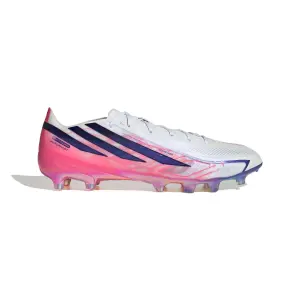
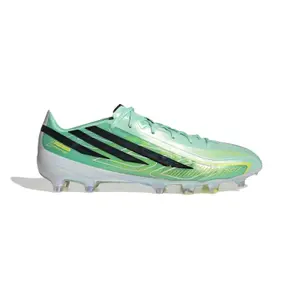
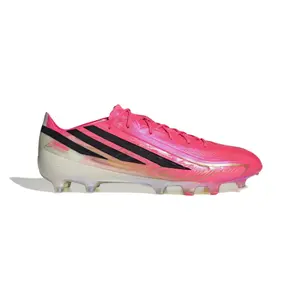
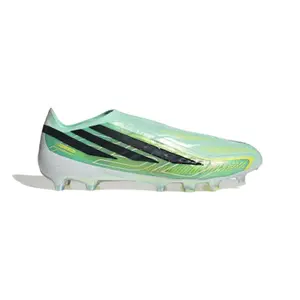
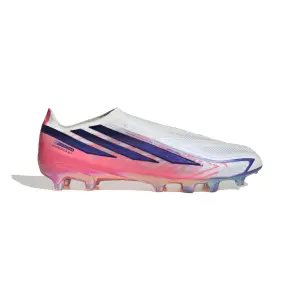
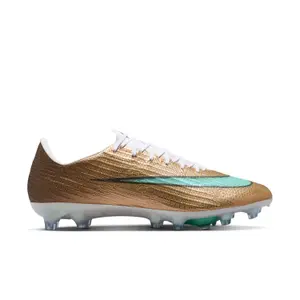
Starting at £250.13
£162.58
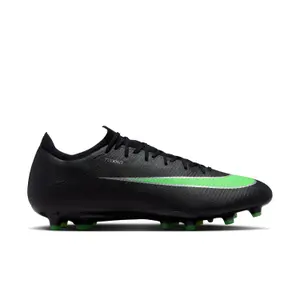

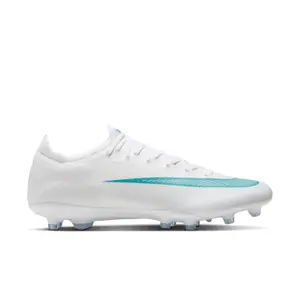



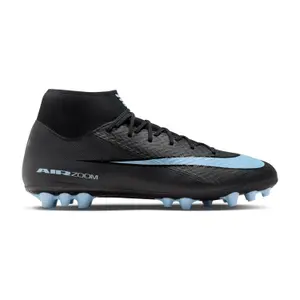
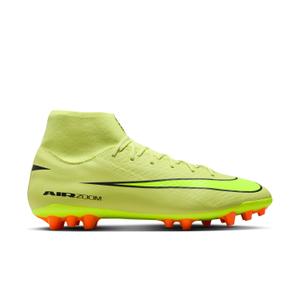
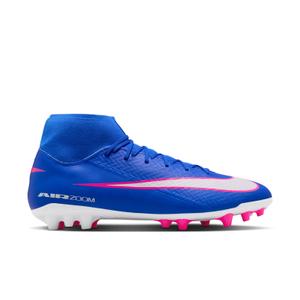
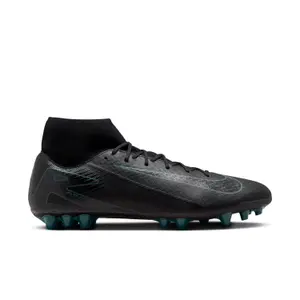

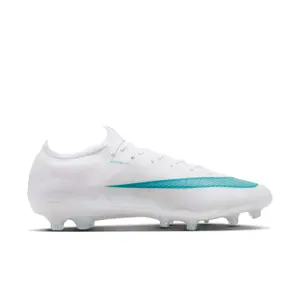


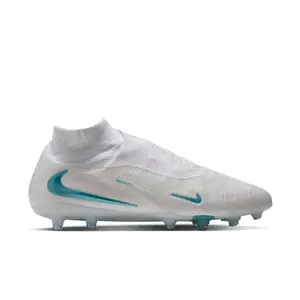

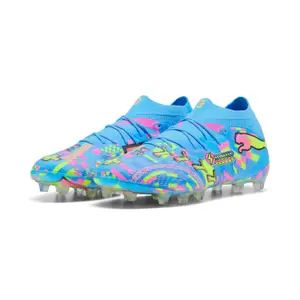
Starting at £200.11
£140.07

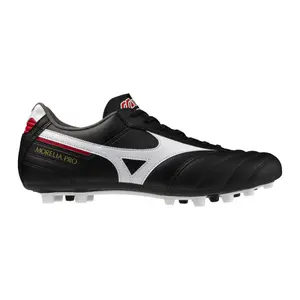
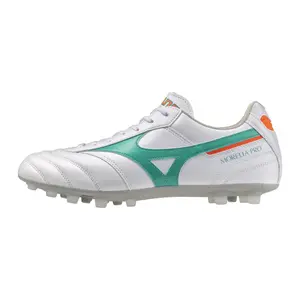

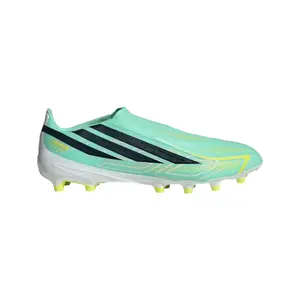
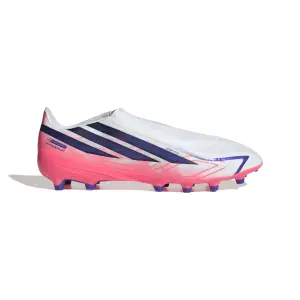
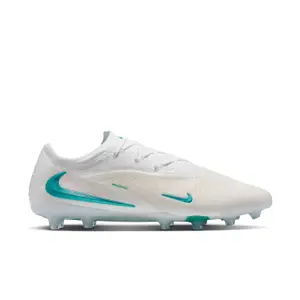
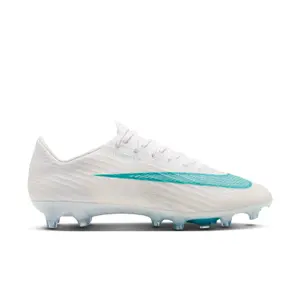
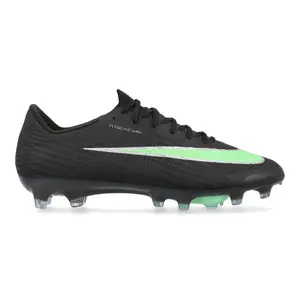
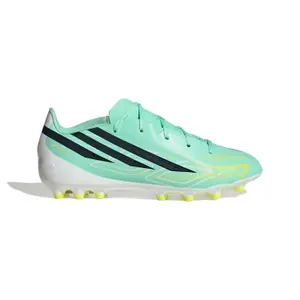
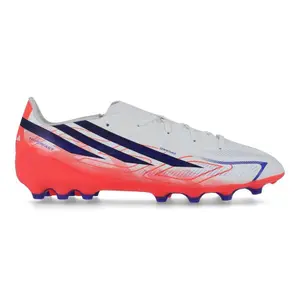
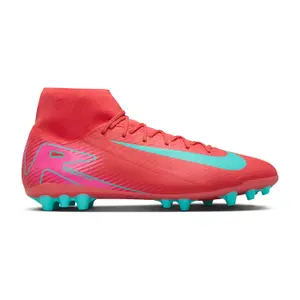
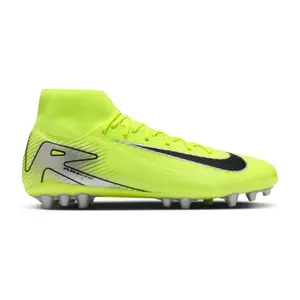
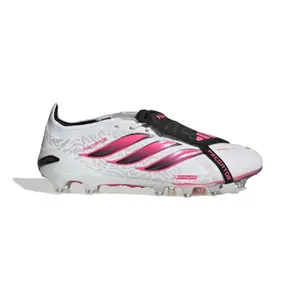
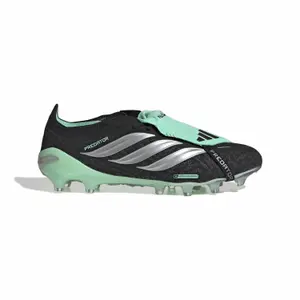
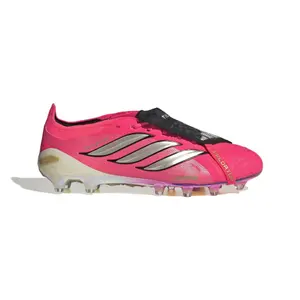
The AG rugby boots are designed for synthetic grass: a sole covered with short, numerous and often hollow studs, which grip the fibres without digging in. This page is for players whose club trains or plays on an artificial pitch, from rugby schools to seniors, with our tips for choosing the right sole, size and making your pair last.
The right grip on artificial turf.
AG Sole: short studs for artificial grass
An AG sole, for Artificial Ground, is recognised by its short, numerous moulded studs, often hollow, distributed across the entire surface of the sole. Synthetic grass provides better grip than natural turf: its fibres hold the stud in place instead of giving way under pressure. With longer studs, the foot remains stuck to the ground while the body pivots, creating stress on the knees and ankles. The increase in contact points distributes pressure under the foot, allows the shoe to pivot during a change of direction, and limits the feeling of warmth under the sole during a long session.
The other surfaces
Shoes are also selected for:
All soles are compared on the surfaces page.
Screws banned on synthetic: what Regulation 22 says
On most synthetic surfaces, screw-in studs are not allowed: their points tear the mat and pull out the filling. These pitches comply with the Regulation 22 of World Rugby, mandatory for any artificial surface used for rugby with contact, during matches and training. The tests measure, among other things, the shock absorption at the head, the friction against the skin, and the resistance to foot rotation. Such a surface combines a mat of fibres, a layer of sand that stabilises it, rubber granules set between the blades, and often a cushioning underlayer. The AG sole is designed to work within this thickness without degrading it.
Granules, heat, wear: making an AG pair last
After a session on synthetic, knock the sole to shake out the granules trapped between the studs and at the bottom of the shoe, then brush the upper with lukewarm water. Short studs wear out more quickly than you think on an abrasive surface: a worn sole at the front of the foot slips during pushes, a sign that it's time to change pairs. For size, try the shoe at the end of the day with a rugby sock, keeping about half a centimetre in front of the big toe. In summer, an artificial pitch heats up significantly in the sun, and a pair left in a hot car boot sees its glues soften.
Good deals
Good bargains can be found in the good deals, promotions, clearance, sales, Black Friday. The new arrivals showcase the latest models. The highlights of the year follow a stable order: the Black Friday at the end of autumn, the festive season, the winter sales, the French Days in spring, then the summer sales and back to school.
Frequently Asked Questions
What’s the difference between an AG sole and an FG sole?
The FG sole, designed for a dry natural surface, has longer and fewer moulded studs that penetrate the ground. The AG sole shortens and multiplies them to grip on the fibres of an artificial lawn without restricting the foot.
Is a hybrid FG/AG sole suitable for synthetic?
Yes, it is designed to transition from dry natural grass to artificial surfaces, which is convenient for clubs that alternate the two surfaces. For a player training year-round on synthetic, a pure AG sole remains the most suitable.
Can you play in AG shoes on natural grass?
On dry, firm grass, yes, with slightly less grip. On a wet winter pitch, the short studs fill with mud and slip: a pair with screw-in studs then becomes essential.
Is a turf shoe with small studs enough?
A turf sole, covered in small rubber studs, is suitable for older synthetic surfaces with short piles or very hard surfaces. On newer grass with long fibres loaded with granules, it lacks grip during pushes and sprints.
Do you need a different AG pair for a forward and a back?
The sole principle remains the same, but a forward prioritises a reinforced upper and a stable sole for scrums and rucks. A back, on the other hand, looks for a lightweight and flexible shoe, which helps with acceleration and changing support.







