Ankle supports to prevent sprains
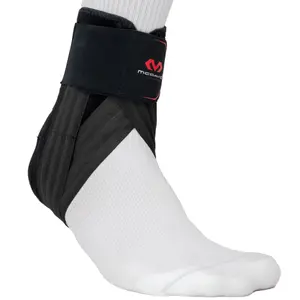
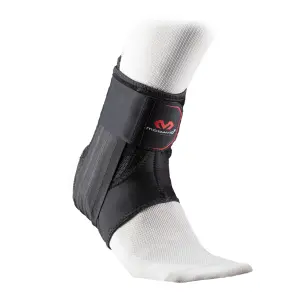
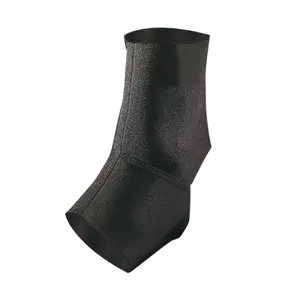
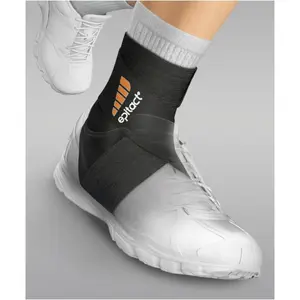
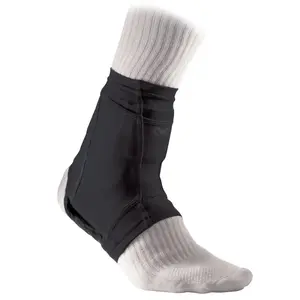
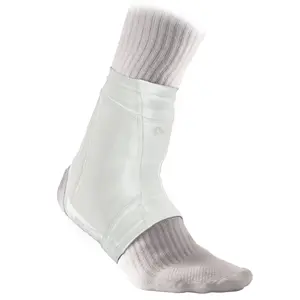
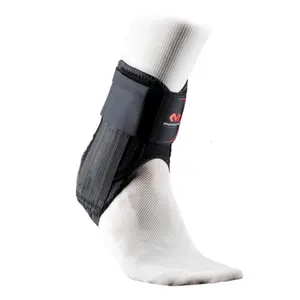
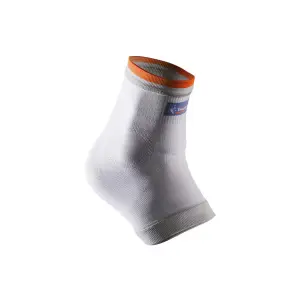
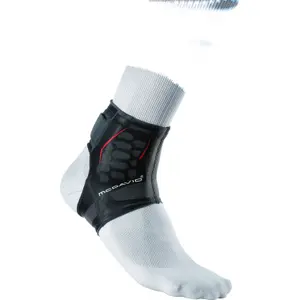
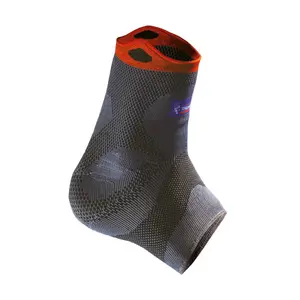
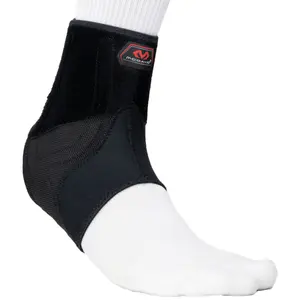
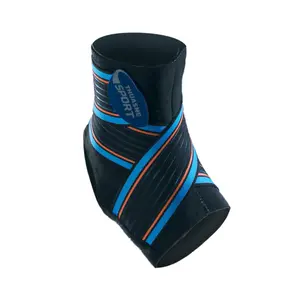
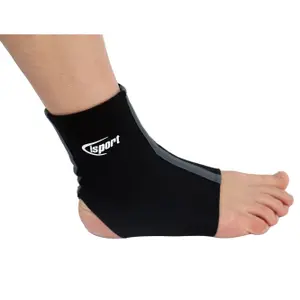
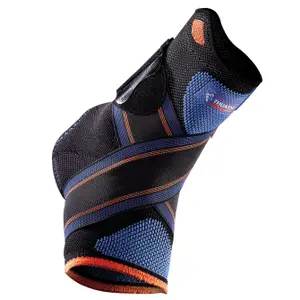
Our selection of Ankles supports brings together the support and compression models that protect the rugby player's ankle: McDavid with crossed straps and Stealth Cleat, ankle supports Thuasne, Select and Epitact ErgoStrap, and Bauerfeind Sports Achilles for the tendon. They are aimed at players recovering from a sprain as well as those who want to secure their footing on soft or uneven ground.
Solid footing, with no worries.
Why the ankle is so exposed in rugby
An ankle sprain usually happens when the foot twists inwards and stretches the outer ligaments: landing on an opponent’s foot, receiving a lineout jump, or making a turn on a muddy pitch. An untreated initial sprain incorrectly tends to leave an instability that encourages recurrence, as the joint loses some of its stability. An ankle brace limits this twisting motion and restores confidence, both in prevention and during recovery, once the treatment phase is over and the physiotherapist has given the green light.
Other protections
There are also various protections:
All protections are gathered on the protection page.
Straps, stays or compression: three levels of support
Ankle braces with crossed straps, like the McDavid model reinforced with lateral stays, mimic the effect of strapping. The Thuasne reinforced version follows the same strong support logic. The Epitact ErgoStrap focuses on thermoformable lateral reinforcements, softened in hot water before first use to fit the malleolus, and has a low profile under the heel. Compression models, which are more flexible, provide support without restricting movement, and the Bauerfeind Sports Achilles surrounds the tendon with a cushion that massages it with each step.
Sliding an ankle brace into a studded shoe
A rugby shoe is fitted: the ankle brace must remain slim to avoid compressing the foot. The McDavid Stealth Cleat is designed for this use, featuring a rear entry without laces, a slim compression strap at the top, and stays for lateral stability. The ankle brace is slipped over a thin sock, the shoe is laced normally, and then it's checked that the toes are not cramped. The size is chosen based on the shoe size or ankle measurement indicated by the brand: if it's too big, the brace folds and causes injury; if too small, it restricts circulation.
Good deals
Good bargains can be found in good deals, promotions, clearance, sales, and Black Friday. The new arrivals feature the latest collections, and items shipped in 24h are prepared and dispatched within 24 hours. The key events of the year follow a stable sequence: the Black Friday at the end of autumn, the holiday season, the winter sales, the French Days in spring, followed by the summer sales and back-to-school.
Frequently asked questions
Ankle brace or strapping: which to choose?
Strapping, applied by a physio or medic, provides precise support but needs to be reapplied for each match and loosens with sweat. The ankle brace can be put on solo, reused, and tightened during play.
Ankle brace or splint after a sprain?
The splint is more rigid, provides greater immobilisation, and is often prescribed right after a serious sprain. The ankle brace, being more flexible, takes over for resuming running and contact, as advised by the physiotherapist.
What is a ligament brace?
It's a reinforced ankle brace with straps or lateral stays that limits the inward twisting of the ankle. It protects the outer ligaments that have already been weakened by one or more sprains.
Which ankle brace for pain in the Achilles tendon?
A specific model, featuring a cushion that surrounds the tendon and targeted compression, such as the Bauerfeind Sports Achilles. Persistent pain in the tendon justifies a consultation before resuming.
How to prevent sprains without an ankle brace?
By regularly working on proprioception: balancing on one leg, on a cushion or unstable board, for a few minutes during each warm-up. Strengthening the leg muscles and using appropriate studs for the ground further enhance prevention.