
Approved rugby helmets


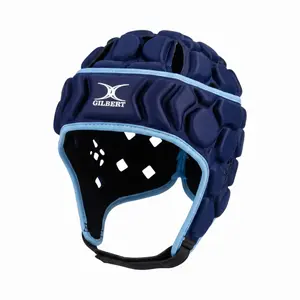


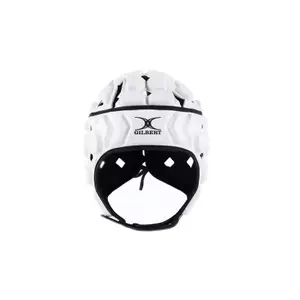


Our selection of Headguards brings together soft rugby helmets for adults and children: Gilbert Octane, Air and Vapour, XP range in the colours of nations for the younger ones, Canterbury Raze and Uglies, adidas Performant and Joma. All serve the same purpose, to protect the head and ears from friction, with our tips for choosing the right model, measuring the head circumference, and adjusting the headguard.
Protect the head and ears.
What a rugby helmet protects, and what it doesn't
The rugby helmet, or headband, is a soft foam protection that covers the top of the skull, the temples, the forehead, and the ears. It protects against cuts, scrapes, and repeated friction in scrums or rucks, which can lead to cauliflower ear. However, studies by the global rugby body have shown that it does not reduce the risk of concussion: prevention relies on tackling technique and adherence to the concussion protocol. Many players also wear it for the confidence it brings during contact.
Other protections
Protective gear comes in different forms:
All protective gear can be found on the protection page.
Octane, Air, Raze: what distinguishes the models
The Gilbert Octane is built on a five-layer foam, internal ventilation channels, and streamlined ears for better hearing of calls. The Gilbert Air focuses on ventilated areas and closed-cell foam that absorbs impacts at the temples, with an antibacterial lining; it is available in a child size. The Canterbury Raze features padding around the head in EVA foam and a chin strap that releases under strong tension. The adidas Performant and Joma helmets round out the selection, along with the XP range from Gilbert available in national colours for kids.
Measuring head circumference and adjusting the chin strap
Measure the head circumference with a flexible measuring tape, placed just above the eyebrows and ears at the widest point. Then compare the measurement to the brand's guide, as sizes may vary from one manufacturer to another. When properly adjusted, the helmet does not move when shaking the head, the ears sit comfortably in their slots, and the chin strap allows one finger to fit under the chin. Before playing in a match, check the label for the presence of the World Rugby label, which confirms compliance with regulation 12: foam no thicker than ten millimetres and limited density.
Good deals
Great deals can be found in good deals, promotions, clearance, sales, Black Friday. The new arrivals showcase the latest collections, and items shipped in 24h are prepared and dispatched within 24 hours. The year's key events follow a steady order: the Black Friday at the end of autumn, the end-of-year holidays, the winter sales, the French Days in spring, then the summer sales and back-to-school season.
Frequently asked questions
Is wearing a helmet mandatory in matches?
No, it remains optional under international rules as well as in France. However, young players often wear it for reassurance during their first tackles, and some forwards wear it to protect their ears in scrums.
What helmet size for a child?
Most children wear XS or S, but only the head circumference measurement is valid. A helmet that is too big slips and leaves the ears exposed at the first contact, while a helmet that is too small compresses and ends up at the bottom of the bag.
Can you write your name on your helmet?
Yes, on the band provided for this purpose or on the label, using a fabric marker. However, avoid piercing or cutting the foams, as this would compromise the helmet's compliance and reduce its cushioning.
How to clean a helmet after a rainy match?
In a basin of lukewarm water with mild soap, gently scrub the lining, then rinse and air dry flat. Avoid using a tumble dryer or radiator, as they can harden and deform the foams.
Is a second-hand helmet a good idea?
It's best to avoid it: foams compress with impacts and sweat, which may not always be visible. A new, properly sized, and certified helmet ensures intact protection and hygiene.







